Joint Conference 2025
Sustainable Energy and Climate Challenge
We are delighted to welcome you to the Cardiff-XMUM Joint Conference 2025 on Sustainable Energy and Climate Challenge, a collaborative platform uniting researchers, industry experts, and policymakers from around the world to address the pressing challenges of our time.
Hosted by Cardiff University and Xiamen University Malaysia (XMUM), this conference will spotlight innovative research, emerging technologies, and strategic solutions in the fields of energy storage, hydrogen energy, environmental science, climate change, AI and data science for sustainability, energy materials, and biomass.
Through keynote lectures, scientific sessions, and interactive discussions, the conference aims to foster meaningful dialogue and cross-disciplinary collaborations to accelerate our transition towards a more sustainable and climate-resilient future.
We invite you to join us in shaping impactful pathways for a cleaner, smarter, and more sustainable world.
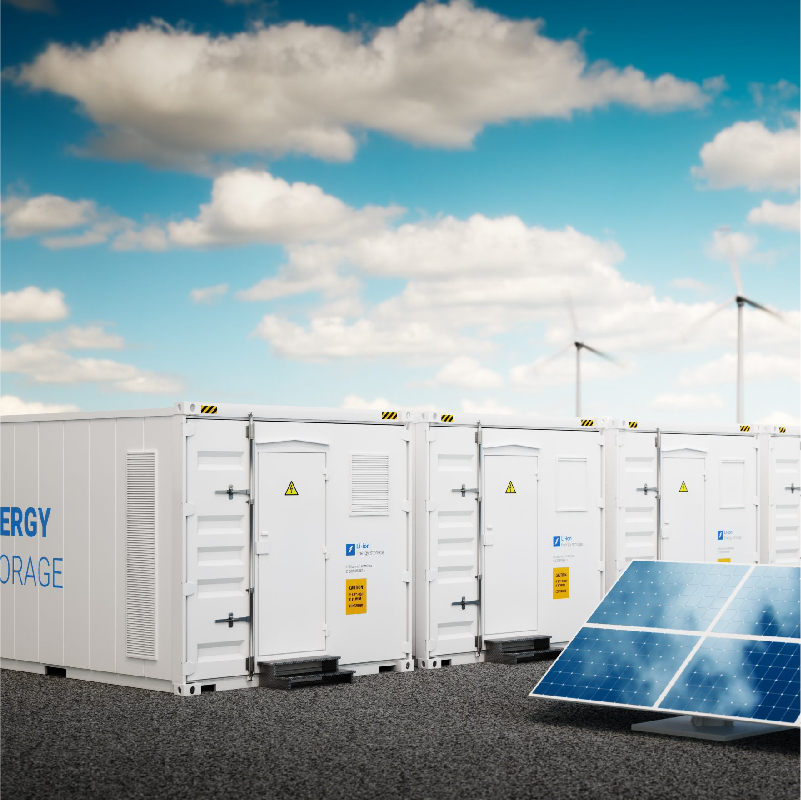
The rapid transition to renewable energy requires advanced storage technologies to ensure energy reliability and grid stability. This session explores cutting-edge developments in lithium-ion, solid-state, sodium-ion, and flow batteries, alongside emerging alternatives such as supercapacitors and hybrid energy storage systems. Topics include advancements in battery materials (solid-state electrolytes, nanomaterials), fast-charging technologies, lifecycle analysis, safety improvements, and grid-scale energy storage solutions. Discussions will also cover manufacturing scalability and sustainable recycling methods to support the global clean energy transition.
HYDROGEN ENERGY AND ALTERNATIVE CLEAN FUELS
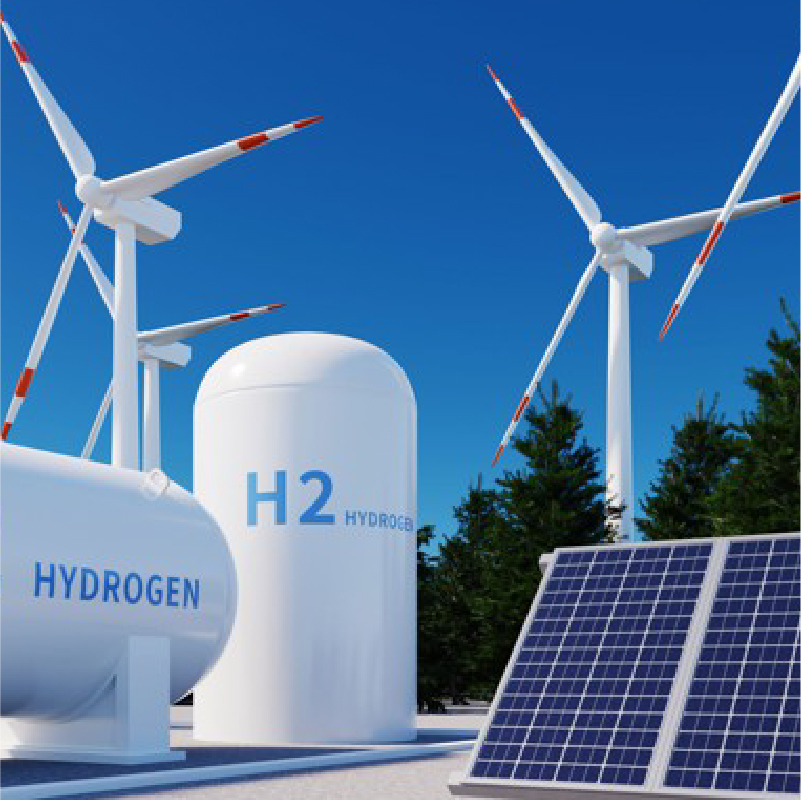
Hydrogen is a key pillar in global decarbonization efforts, but other low-carbon fuels like ammonia and synthetic fuels (e-fuels) are also gaining traction. This session examines innovations in green hydrogen production, electrolysis advancements, fuel cell technologies, hydrogen carriers (liquid organic hydrogen carriers, metal hydrides), and infrastructure development. Additionally, discussions will explore the techno-economic feasibility of ammonia as a hydrogen carrier, direct ammonia fuel cells, and the role of synthetic fuels in decarbonizing heavy transport and industries. The session will also highlight key challenges in policy, safety, and international hydrogen trade.
As climate change accelerates, effective mitigation and adaptation strategies are crucial. This session focuses on cutting-edge research in carbon capture, utilization, and storage (CCUS), direct air capture, carbon credit markets, and nature-based solutions. Additionally, discussions will cover climate resilience strategies, including adaptation policies for urban planning, agriculture, and coastal protection. The session also explores innovative approaches in air and water quality management, ecosystem conservation, and sustainable waste management, ensuring environmental sustainability in the face of climate challenges.
CLIMATE SCIENCE (AI & DATA SCIENCE FOR CLIMATE)
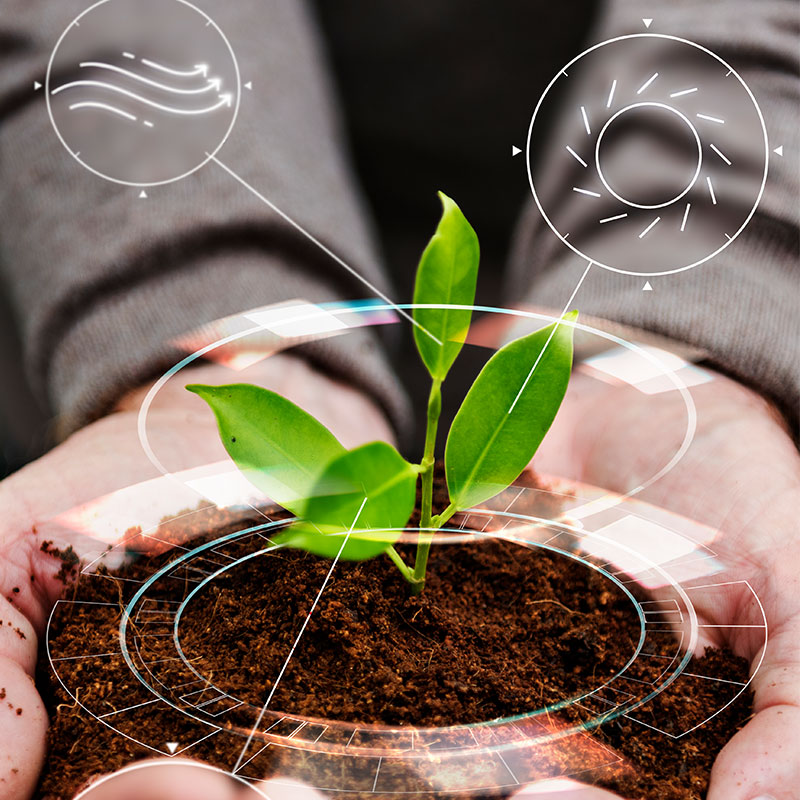
Advancements in artificial intelligence, machine learning, and data analytics are revolutionizing climate science and sustainability efforts. This session explores AI-driven approaches to climate modelling, weather prediction, carbon footprint tracking, and climate risk assessment. Additionally, discussions will highlight remote sensing technologies, digital twin modelling, big data in climate policy decision-making, and AI applications in energy efficiency optimization. Experts will showcase computational tools and real-world AI applications that drive data-driven climate solutions, enhancing our ability to tackle global climate challenges.
ENERGY MATERIALS
Breakthroughs in material science are essential for advancing energy generation, harvesting, and conversion technologies beyond traditional storage solutions. This session explores emerging materials for energy harvesting, including piezoelectric, thermoelectric, and triboelectric materials, which enable energy capture from mechanical vibrations, heat differentials, and friction. Additionally, discussions will cover next-generation photovoltaics (such as tandem solar cells and perovskite-based innovations), photo electrocatalysts for solar-to-fuel conversion, and advanced coatings for energy efficiency enhancement. Researchers will also examine novel materials for waste heat recovery, high-performance thermal insulators, and energy-efficient semiconductors, ensuring a sustainable and efficient energy future.
BIOENERGY & SUSTAINABLE FEEDSTOCKS
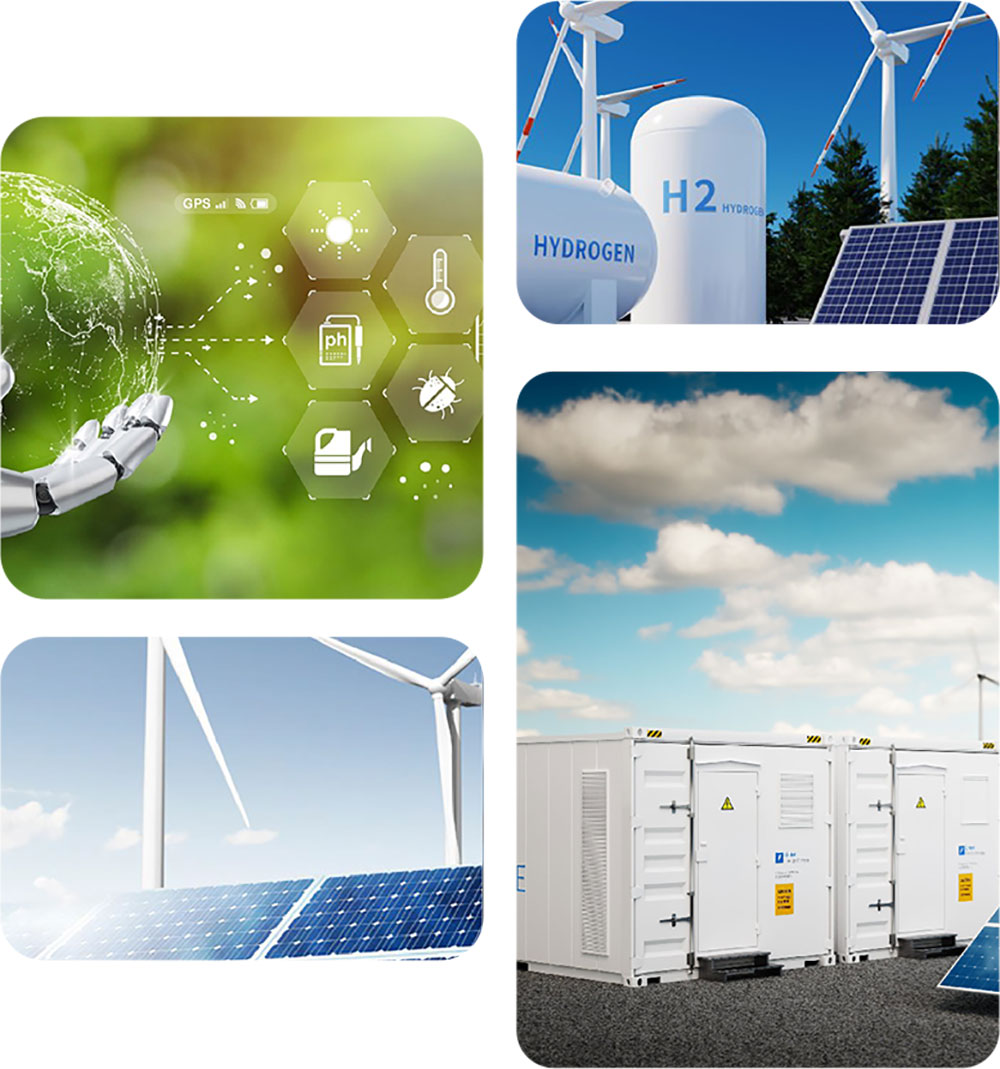
Biomass and bio-based technologies play a crucial role in the global transition to a circular economy. This session examines advancements in biomass-to-energy conversion, biofuels (biodiesel, bioethanol, sustainable aviation fuels), biogas production, and waste-to-energy solutions. Discussions will also cover feedstock optimization, biorefinery innovations, and policy challenges in scaling bioenergy systems. Additionally, researchers will explore carbon-negative bioenergy pathways, the role of algae-based biofuels, and the potential of agricultural and industrial waste valorization, ensuring a sustainable and resilient bioeconomy.
Distinguished Speakers
Industry Leaders/Experts
Dr Nurul Akmaliah Dzulkurnain (IBC Sdn Bhd)
Title: Battery Market Trends and R&D ChallengesTrack
Industry Leaders/Experts
Lee Wen Hui (Solarvest Sdn Bhd)
Industry Leaders/Experts
Cobe He Jinliang (Sungrow Sdn Bhd)
Industry Leaders/Experts
Dr Feroz Sultan @ Maung Maung Myo Thant (PETRONAS)
Industry Leaders/Experts
Professor Patrick Then (Sarawak AI Centre)
Title: Sarawak Artificial Intelligence Ecosystem
Plenary Speaker
María Corté s Puch (Vice President, UN Sustainable Development Solutions Network)
Title: A Decade of the SDGs: Progress, Gaps, and the Path Forward
Plenary Speaker
Professor Lee Pooi See (Vice President of International Engagement, Nanyang Technological University, Singapore)
Title: Stretchable Electroactive Composites for Energy Devices
Plenary Speaker
Professor Yang Yong (Distinguished Professor, Xiamen University)